STEM and Sports: Teaming Up to Enhance Student Engagement
Athletics may hold the key to getting kids interested in STEM concepts and careers.
In this essay +

In popular culture, there has long been a disconnect between intellect and athletics. Any number of films and TV shows set up the science nerds and the jocks as opposing forces in a school’s social structure, rarely crossing paths and sharing little in common. In fact, brainpower and horsepower are often portrayed antithetically in these clichéd allegories.
But the stereotypes we all grew up with couldn’t be further from the truth and the narrative is changing. In reality, STEM — the study of science, technology, engineering and math — and sport go hand-in-hand. Today’s young people have a multitude of interests, and connecting subjects they enjoy to athletics and physical fitness is a great way to promote cross-disciplinary studies and cultivate self-motivated learning.
Why STEM and Sports Are a Perfect Mix
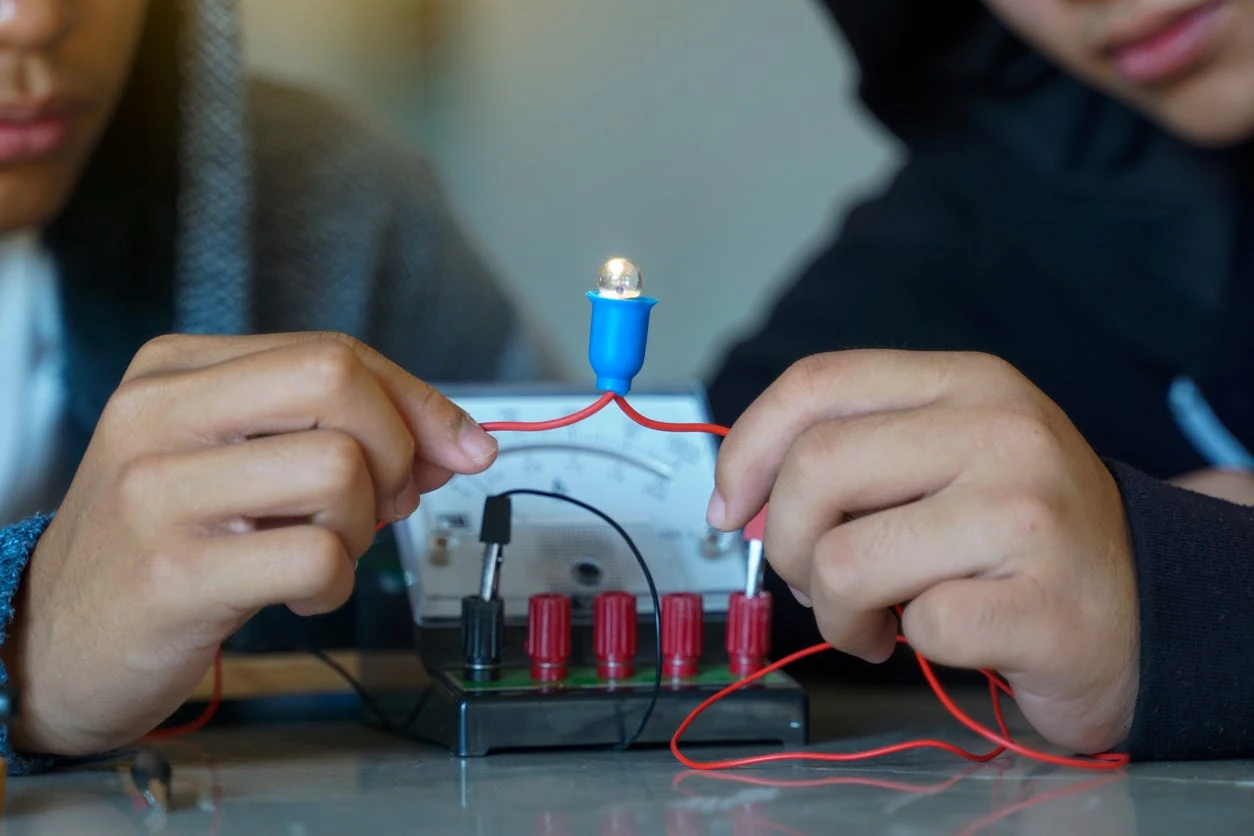
Today’s effective STEM pedagogy focuses on creating engaging, kinesthetic and minds-on experiences. To foster creative thinking, art has commonly been connected to STEM — often referred to as STEAM. Adding sports to STEM will further increase interest in these subjects and help engage those whose learning styles and personal preferences favor active and interpersonal team play.
Understanding STEM Education’s Scions, Offshoots And Nodes
Current research proves this assumption. In 2017, the Canadian Sport + STEM program used baseball, hockey, soccer and football to teach disconnected students concepts about ecosystems, blockchain programming, design thinking and geometry. As a result of lessons taught by coaches on the field, 89% of students agreed that it was easier to learn these concepts through sports.
University of Pennsylvania postdoctoral research fellow and former college basketball player John Drazan is researching the impact of sports and STEM outreach programs, particularly on inner-city youth. Likewise, Dr. Kristi Mueller of Virginia Commonwealth University explores ways for physical education teachers to expand their curricula with STEM activities, including Richmond’s STEM in Sports Day.

As this research on educational outreach demonstrates, the combination of STEM and sport has great potential to bring deeper learning to underserved communities. Too often, disadvantaged youth get the message that sports are their only ticket into college, so tying STEM to this area of interest can broaden the real word appeal of many subjects and inspire kids towards additional visions of future success — an important goal of educational equity, as we seek to build access to learning opportunities that reach all students.
And, of course, it’s not just STEM that benefits from this partnership. Pairing sports with interdisciplinarity can encourage kids to get outside and move, serving as a crucial injection of physical activity in order to achieve mind-body balance. In this age of rising childhood obesity and an epidemic of “lifestyle diseases,” these strategies provide a great reminder that STEM education isn’t all about screen time and coding — it’s also part of an integrative mindset that can lead to a happy, healthy life.
Early STEM and Sport Program Innovators
Many educators are not afforded the common planning time required in order to build effective lessons. Fortunately, some enterprisng entrepreneurs have stepped in to fill the gap and bring their love of sports and learning together to offer unique opportunities to the communities that they serve.
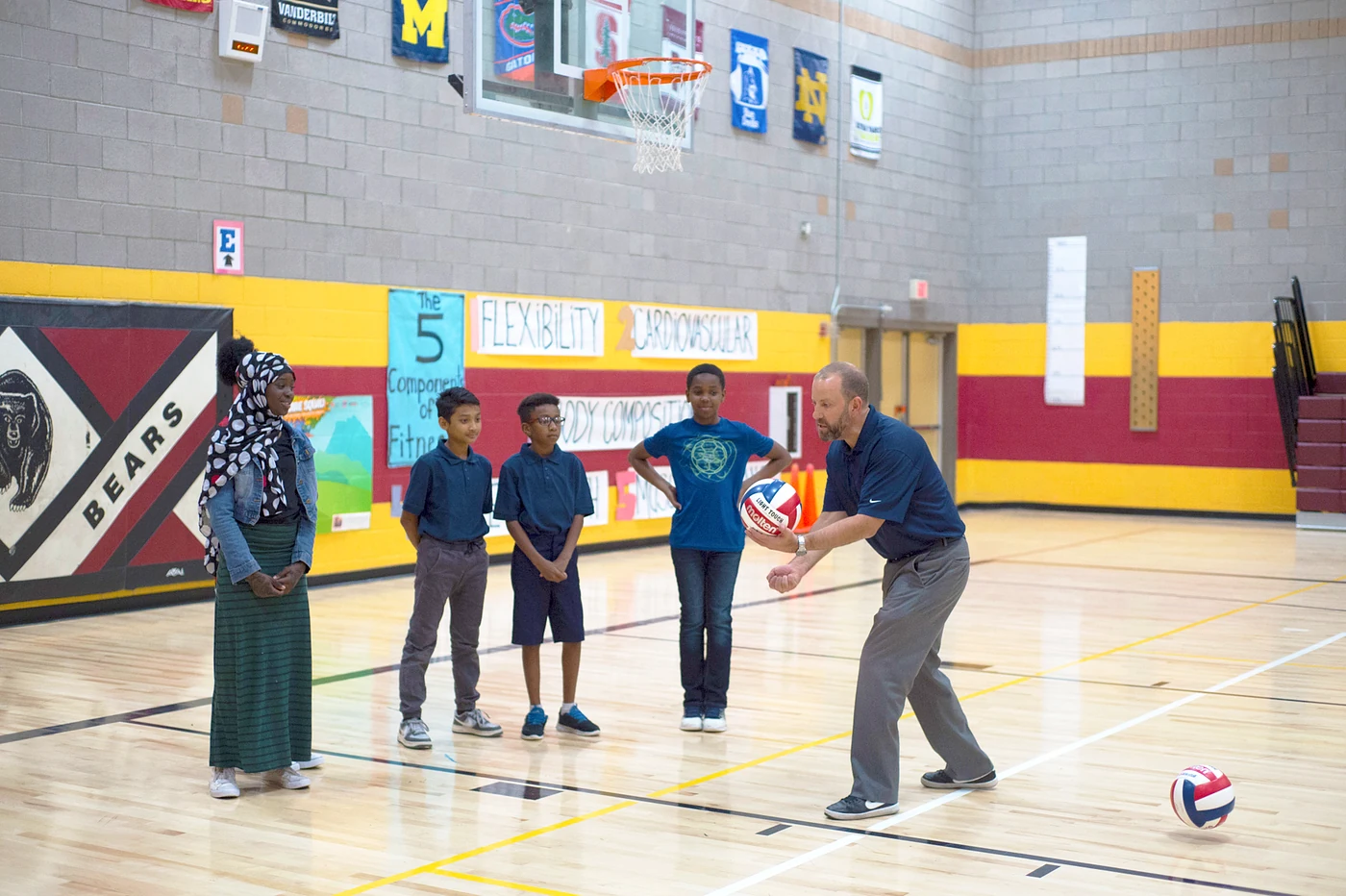
As a former Arizona Diamondbacks executive and current sports marketing agency owner, Jeff Golner knows a thing or two about how the power of sports can captivate an audience. Today he serves as the CEO of STEM Sports®, an organization that designs full curricula combining critical thinking and problem-solving skills with physical activity. Lessons are differentiated to reach students from kindergarten through eighth grade and are standards-aligned.
As Golner points out, 93 percent of STEM jobs pay above the national average income, which is why each STEM Sports® learning module comes with a list of jobs that relate to the concepts being taught. These careers combine STEM and sports and are meant to spark kids’ imaginations about what their futures could look like — with nary a lab coat in sight.

STEMLETICS, the brainchild of Jonathan Blanchard, offers complete online pathways designed to combine entrepreneurship, engineering, and sports into a real-world project. In the Engineering Innovators program, students design a new invention to help enhance sports performance. At the end of the course they can submit their designs for a chance to receive funding to build a prototype — talk about real-world incentives.
Blanchard came up with the idea while playing video games in his dorm room at Kettering University. Born and raised in Flint, MI, he developed a deep love for sports and knew he wanted to give back to his community to inspire children to achieve success in math and science. When he realized just how much arithmetic he was using as he poured over his basketball video game stats, he realized that he could use that type of engagement to hook kids on higher-level math and engineering concepts. He started STEMLETICS while still a college student and is continually working to expand his organization’s offerings.
STEM’s Influence on Existing Sports Programs
In addition to fully specialized academic programs like STEM Sports and STEMLETICS, it’s also possible to add elements of STEM learning to more traditional sports offerings. US Sports Camps now offers esports opportunities with a robust curriculum of both gaming and leadership skills.
Esports And STEM Education: A 2020 Perspective
Defenders Sports Network takes basketball to the next level with a slate of virtual skills tournaments, interactive technology and esports that represent the future of youth sports and tech. High school coaches are also beginning to embrace data analytics, and the pandemic is forcing a major shift in how physical education teachers deliver their lessons.
When the dust settles, it’s likely that STEM will help improve youth sports, and sports will make STEM feel more relevant and accessible to a wider range of students. This is ultimately a match made in heaven — a long-lasting partnership that will capture kids’ imaginations, promote total health and prepare a generation for the jobs of tomorrow.

An iteration of this article was originally featured in Newsweek on February 1st, 2021 and updated for Medium on February 13th, 2021.
Andrew B. Raupp is the Founder / Executive Director @stemdotorg. “Democratizing science, technology, engineering and math (STEM) education through sound policy & practice… Applying STEM to better understand it.”
Keywords
First published February 1, 2021. Medium version: February 14, 2021. Original publication