The STEM-STEAM Paradox
Unveiling the Facade of Educational Discord
In this essay +

The unfolding argument in education circles, the so-called battle between STEM (Science, Technology, Engineering, and Mathematics) and STEAM (which includes ‘Arts’) is the latest in a series of contentious narratives, all serving to obscure the truth about education in the 21st century. In this flurry of alphabetic assertions, the original purpose of the grassroots STEM movement, to prepare students for a future economy bursting with innovation, is lost amidst the noise.
We find ourselves enmeshed in a faux conflict, generated not by educators, but by those who seek to shift the focus away from the core aim: nurturing a new generation of innovators, disruptors who will challenge the world with groundbreaking technologies. We have allowed a skirmish over acronyms to distort the bigger picture, encouraging a false divide between sciences and humanities, a division that ultimately robs our students of the well-rounded education they need.
A Divisive Debate
Factions within academia and policy-making circles have portrayed STEM as an oppressive monolith, one that overshadows the humanities, which they claim are being undervalued. These arguments pose STEM as the adversary of subjects like literature, history, and philosophy — disciplines that foster critical thinking and cultural understanding.
In response, proponents of STEM highlight the essential role of interdisciplinary science and mathematics education in a world increasingly driven by technology. They assert that preparing students for a future governed by advancements like AI and biotechnology demands a solid foundation in STEM subjects.

Bridging the Great Divide
The presupposed antagonism between the realms of science, technology, engineering, and mathematics (STEM) and the humanities is, in essence, a significant simplification of the actual interplay between these fields. This viewpoint erroneously casts these academic domains in adversarial roles, neglecting their inherent potential for symbiosis.
Hence, it’s a common misconception to presume these disciplines function in isolation. In contrast, a closer examination reveals a substantial degree of interconnectedness. These areas of study are not just independently coexisting; they are, in fact, mutually enlightening and enriching, thereby accentuating their mutual dependence and reciprocal influence.
While STEM offers us the tools to decode the world, it’s the humanities that provide the much-needed context, steering us towards ethically sound and informed decisions. For instance, a data scientist may be equipped to design an advanced algorithm, but without an understanding of its societal implications — an area deeply embedded within humanities — its deployment can inadvertently result in privacy violations, discrimination, and other ethical pitfalls.
In Defense of Morality & STEM Education
So, rather than instigating a rivalry, we should be emphasizing the intersectionality and interdependence of these fields. But who benefits from maintaining the divisive narrative?
Ulterior Motives and Misdirection
The artificially created dichotomy between STEM and humanities serves multiple functions. Primarily, it shifts focus away from the inherent structural challenges within the education system. Debating the inclusion of arts within STEM is a more comfortable dialogue than addressing the stark realities of bureacratic educational institutions, overcrowded classrooms, or antiquated teaching methods.
Moreover, this spurious opposition is often leveraged by specific groups with the express purpose of promoting their financial and political agendas. This includes initiatives such as Environmental, Social, and Corporate Governance (ESG) and the United Nations’ Sustainable Development Goals (SDGs) or “Global Goals.”
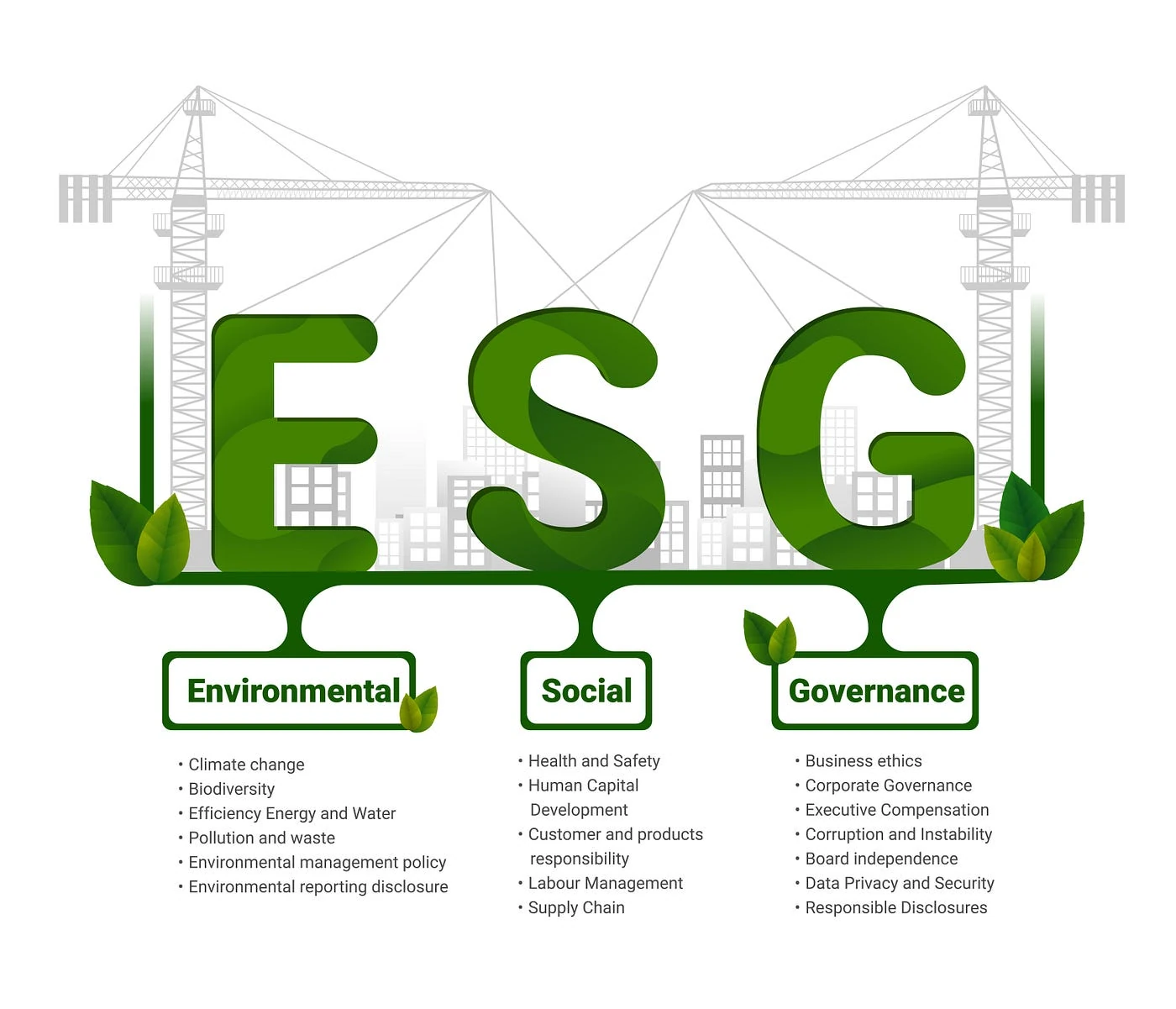
The tribalism associated with the acronyms that organizations use to categorize their community initiatives, distracts from the pursuit of genuine educational outcomes. This becomes a tool to fuel divisive strategies, promoting conformity of thought while depriving individuals of personal sovereignty and autonomy. These elements are indispensable for innovation and are the cornerstone of any free society. This situation additionally distances decision-making from local stakeholders, who should ideally be integral to the process.
The controversy also aids in the perpetuation of false perceptions about the diversity inherent within the STEM movement. The narrative that STEM, without due consideration to its accurate linguistic interpretation, lacks diversity in its representation and thought is profoundly misleading. It often blends the issues within industry and academia or STEM fields with those of the broader educational movement, creating confusion and misinformation.
In reality, STEM education, as a global movement, is a vibrant mosiac of different backgrounds, experiences, and viewpoints. Practitioners in communities everywhere are actively working to include the brightest minds across the planet. Such initiatives inspire others from a range of diverse backgrounds, preparing today’s learners for the demands of tomorrow’s workforce.
Creating Unity and Harmony
In order to dispel these misleading narratives and amplify the STEM education movement, it is of utmost importance to first acknowledge the symbiotic relationship that exists between STEM and the humanities, irrespective of the acronym. We should strive to create curricula that values and incorporates both, highlighting the ways in which they enhance each other. This approach not only reflects the true spirit of education but also prepares students for the complexities of the modern world, where scientific acumen and ethical awareness must walk hand in hand.

Moreover, we need to expose and challenge the political and financial manipulation of divisive educational narratives. STEM vs. STEAM should not be a symbolic battleground for political ideologies. Instead, the discourse should focus on how best to equip our students with the knowledge and skills they need to navigate and influence a rapidly changing world.
Finally, we need to shift the spotlight back onto the critical issues plaguing our education system. This means advocating for reforms that address systemic challenges like corruption, political indoctrination, bureaucratic waste, teacher burnout, the widening achievement gap and the move away from meritocracy.
The Future of STEM
Dismantling false narratives and fostering interdisciplinary collaboration paves the way to cultivate a generation of comprehensive, critical thinkers, who are proficient in steering transformative industrial innovations.
With a generation so equipped and empowered, we can anticipate technological leaps that not only propel economic growth but also address societal impediments and make substantial contributions to the well-being of humanity. The quintessential aim of education, after all, is to nurture individuals capable of leveraging their knowledge and skills to optimize self-sufficiency towards their own personal pursuit of happiness.
In the words of the renowned Albert Einstein, “The value of an education… is not the learning of many facts, but the training of the mind to think something that cannot be learned from textbooks.” Thereby, it is our obligation to tear down the artificially imposed barriers within our educational framework and foster this essential, interconnected thinking in our future generation of learners. It is only then that we can confidently claim that our educational system is genuinely living up to its transformative potential.
Understanding STEM Education’s Scions, Offshoots And Nodes
Therefore, the essence of both STEM and STEAM is not confined to the infighting over which of the acronyms is “the best” or one’s ego — that’s subjective. But moreover, it extends to the skills they nurture and the outcomes they provoke in learners. Both these educational approaches stimulate a passion for self-improvement and instill a comprehension of the interconnected and invaluable nature of these fields.
Endowing individual organizations with the autonomy to interpret STEM or STEAM in the light of their unique contexts encourages a more encompassing, practical, and holistic approach to education. This philosophy favors a decentralized, grassroots strategy as opposed to a rigid, top-down structure.
Adopting this approach allows organizations to customize experiences to cater to their specific needs, fostering a lively, dynamic, and flexible educational ecosystem that continually adapts to mirror the world it aims to serve.
This challenge demands our unwavering attention. We can ill afford distractions from contrived controversies, vested interests, or multilateral agendas. The stakes are simply too high.

Moreover, it is crucial that we remain vigilant and draw lessons from other movements. We must identify and address any potential agitators or divisive forces that may undermine the unity and effectiveness of our educational efforts. History has demonstrated that such entities can obstruct progress and fuel discord. By recognizing these threats and addressing them head-on, we can ensure that the STEM education movement remains united, focused, and poised to realize its transformative potential.
Andrew B. Raupp is the Founder / Executive Director @stemdotorg. “Democratizing science, technology, engineering and math (STEM) education through sound policy & practice…”
DDIntel captures the more notable pieces from our main site and our popular DDI Medium publication. Check us out for more insightful work from our community.
Register on AItoolverse (alpha) to get 50 DDINs
Keywords
First published July 19, 2023. Original publication