Shelter-In-Place STEM Education
Tips to Help Create an Optimal Learning Environment at Home with FREE Parent / Teacher Resource
In this essay +
Editorial disclosure: This article is not a paid promotion or affiliate partnership, and STEM.org receives no commissions from its product links. STEM.org helped develop the Anatomy and Medicine resource described here; that involvement is disclosed and should not be mistaken for an independent review of that resource. Any recognition is limited to its documented scope.
For parents whose children have been kept home from school, the coronavirus pandemic presents extra challenges. In addition to anxiety about the economy and your family’s health, you also want to keep kids calm, safe, happy, and educated. Researchers have already studied the “summer slide” — a tendency to regress in learning during summer vacation — but we don’t yet know what the potential for many months of disruption resulting from the spread of COVID-19 could mean for academic progress.
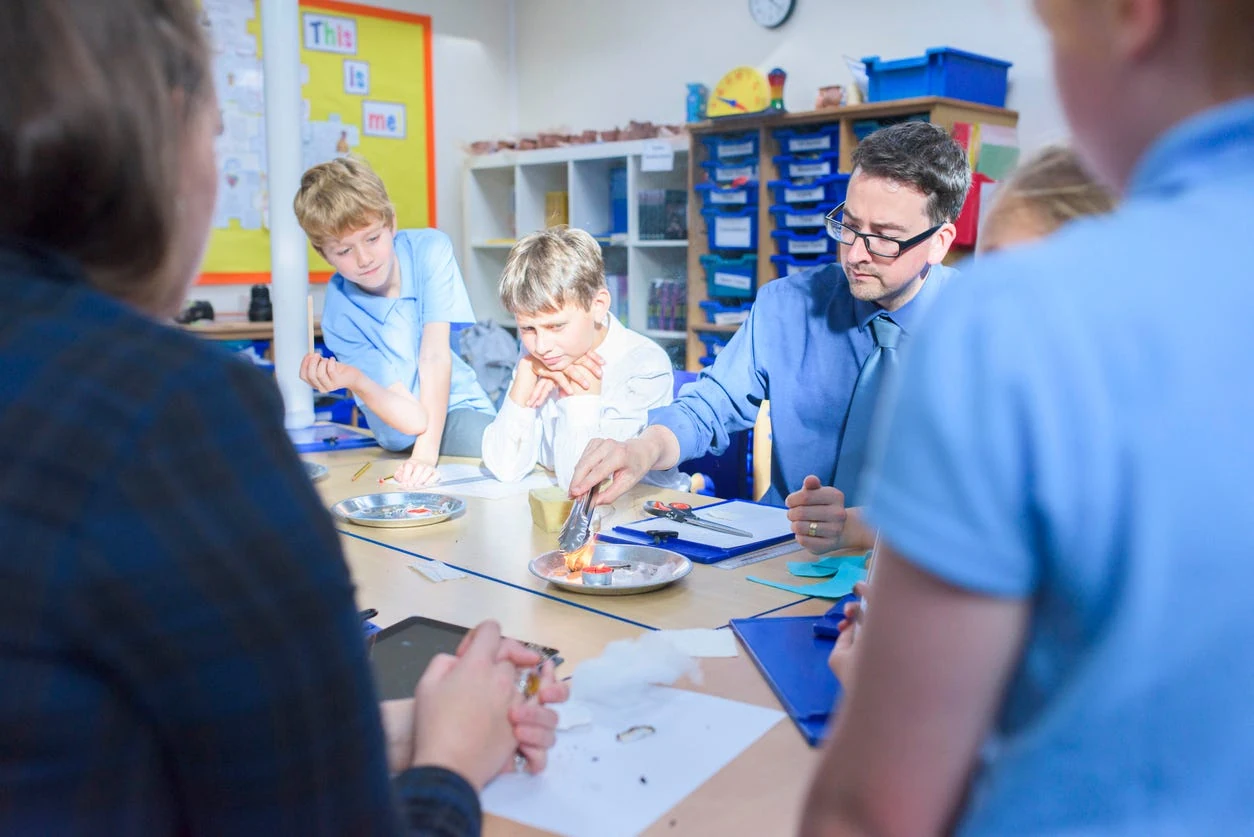
Fortunately, there are many ways to continue meaningful learning at home — in fact, you may find yourself overwhelmed by the plethora of resources and being shared to help pass time in doors constructively. To help you navigate your new normal as overseer of your child’s at-home education, try these tips for keeping homeschooling manageable as you shelter in place.
Be an Effective Improvement Facilitator
1. Do Your Best to Maintain a Routine
According to child psychologists, steady routines help kids feel safe — something we definitely want to foster right now. Do your best to structure the day around consistent sleeping and eating patterns. It’s also a good idea to schedule specific blocks of learning time each day. Try asking your children to build a schedule with you so they have some control over their time. Once you agree as a family, have them make a poster of the daily schedule to hang in the living room or kitchen for reference.
How the Textbook Industry has Finally Been Disrupted and Will Continue to Change | Data Driven…
2. Don’t Forget to Take Breaks
Routine is good; overscheduling is not. One of the silver linings of staying at home is that we suddenly have the gift of time to spend with our families. That can get dicey — there will be bickering! — so it’s also important to give kids time and space to blow off steam. As you make your schedule, be sure to add in blocks of free time for kids to do whatever they want to (avoiding unnecessary exposure to others, of course). Mental downtime is crucial for brain functioning and development.
3. Get Creative With Socializing

As the majority of Americans can no longer gather together in groups, your child runs a real risk of suffering from loneliness, which one study finds as bad for overall health as smoking. FaceTime, Zoom, and Google Hangouts are just a few of the apps you can use to set up virtual playdates with your child’s classmates. You can also use these apps to support learning by having your children work together on projects, skits, games and more from afar. Let them take the lead on how they interact with friends — they’ll probably have some great ideas!
4. Increase Your Heart Rate
Burning off all that pent-up energy is crucial for everyone’s sanity. A daily walk for fresh air and exercise can work wonders — just check the social distancing rules in your community and make sure you’re cleared by your physician for exercise before you head out. You can also do plenty of physical acitvities indoors to get the blood pumping: try jumping jacks, jogging in place or other indoor games to keep kids active. It’s crucial for overall cardiovascular fitness, musculoskeletal strength, brain development, and sustained mental health.
5. Add STEM to Everyday Activities
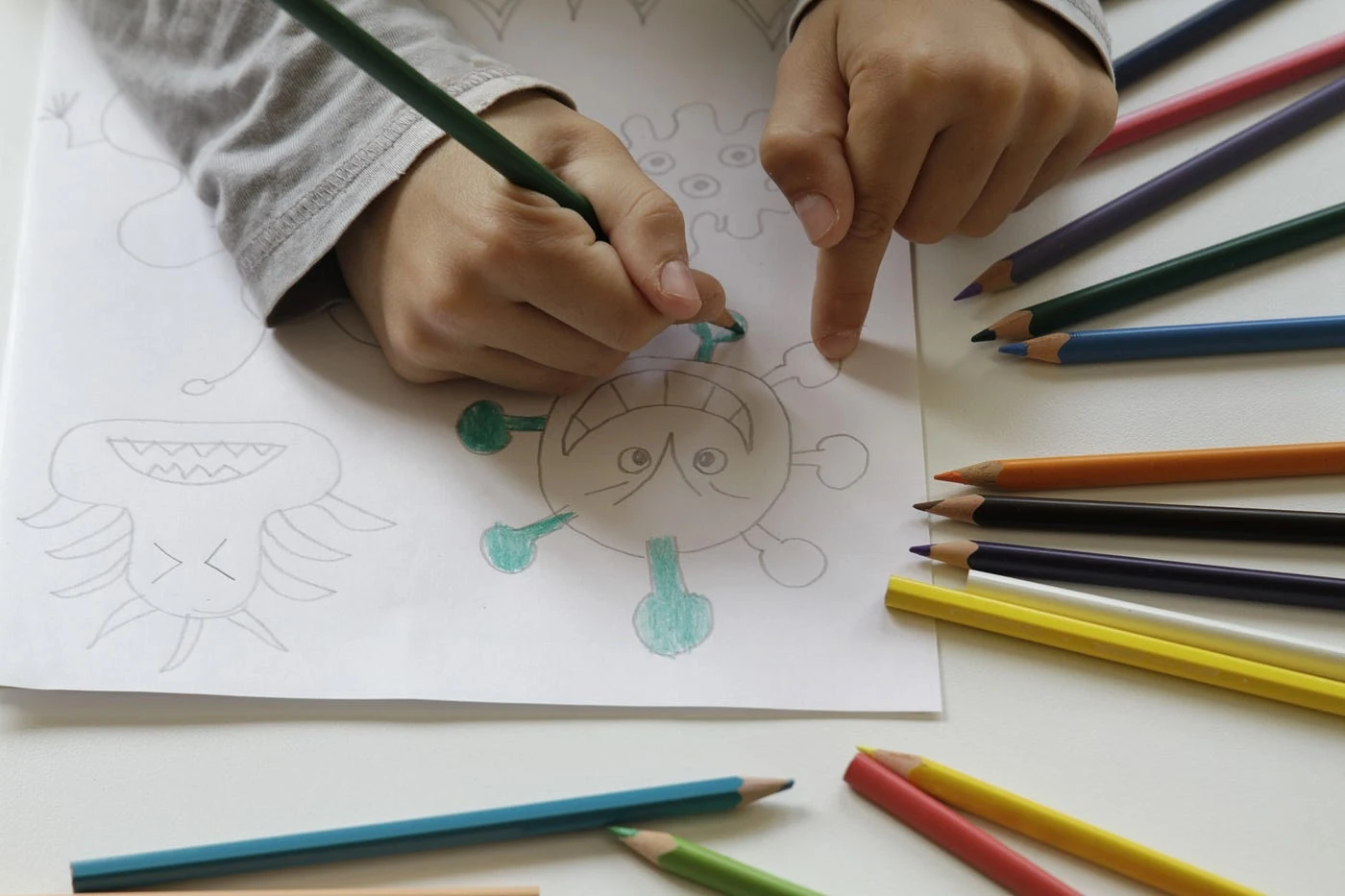
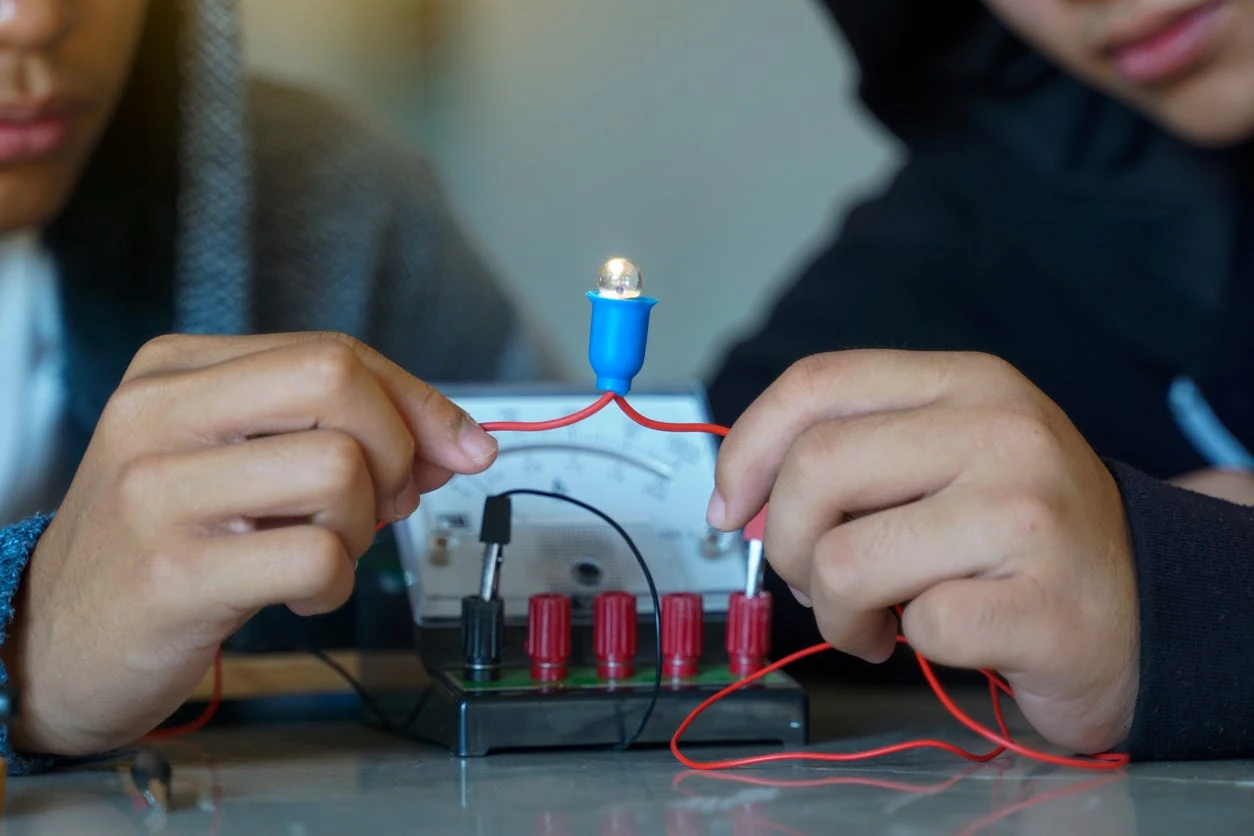
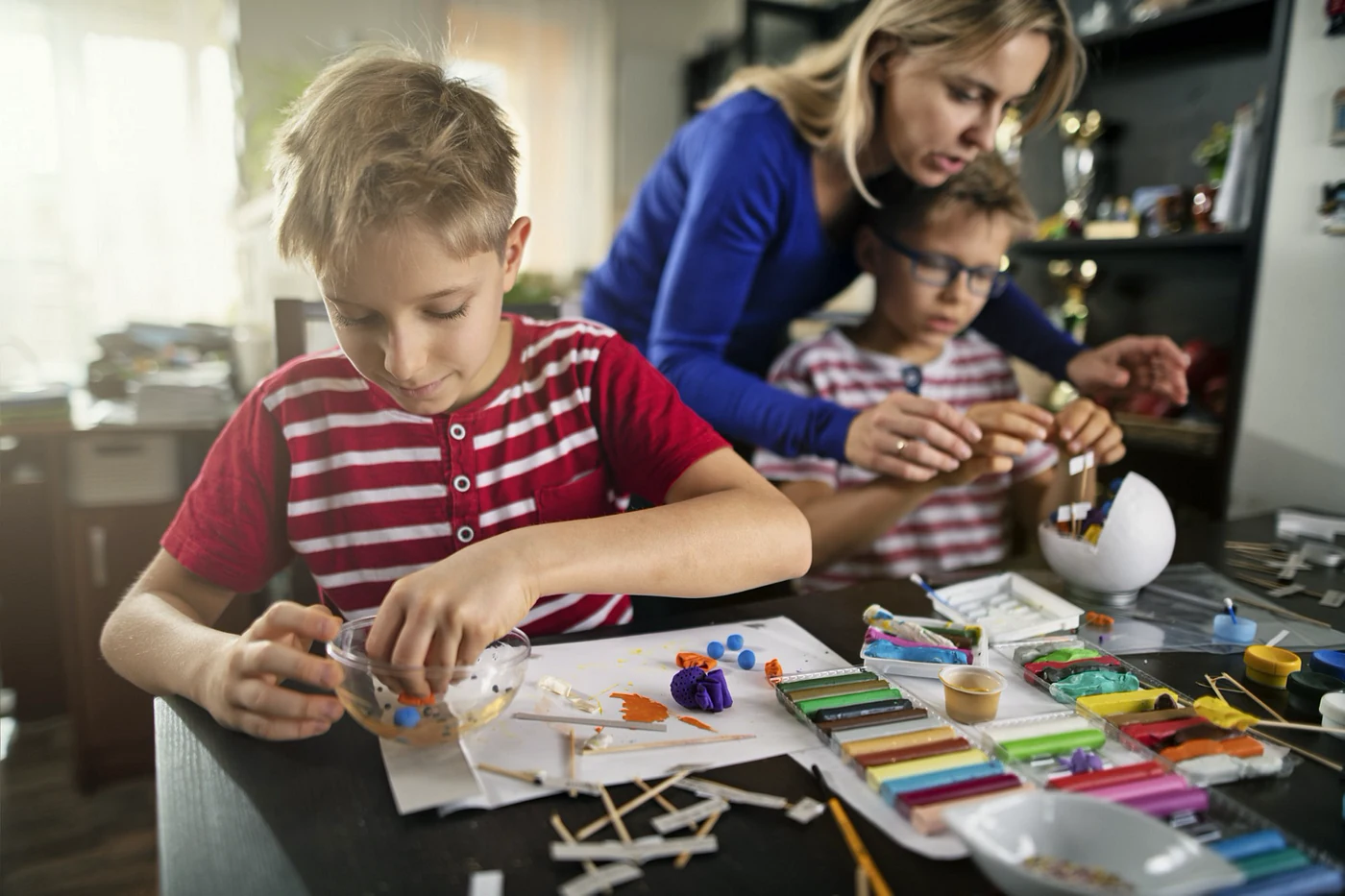
If the idea of teaching science and math at home has you panicked — relax. One of the most important aspects of STEM (science, technology, engineering and mathematics) learning is critical thinking, a skill that can be fostered in daily life just as easily as in the classroom. Let kids experiment with building blocks, toy car tracks, clay models and more. Try getting them to hypothesize about what might happen as they play, then experiment to test their ideas. For older students, encourage them to use their skills to solve a family problem: fairly dividing screen time minutes, developing a cleanliness protocol, an emergency action plan and/or working on a new grocery store budget are all relevant.
A Fun, Free STEM Resource for Families
STEM.org Educational Research and hand2mind (along with its sister companies Learning Resources and Educational Insights), are committed to helping families through this difficult time. Collectively, they have collaborated on an engaging new learning module called Anatomy and Medicine, which has a full teacher’s guide (for both parents and classroom educators!) and plenty of learning activities for kids to print out and use.
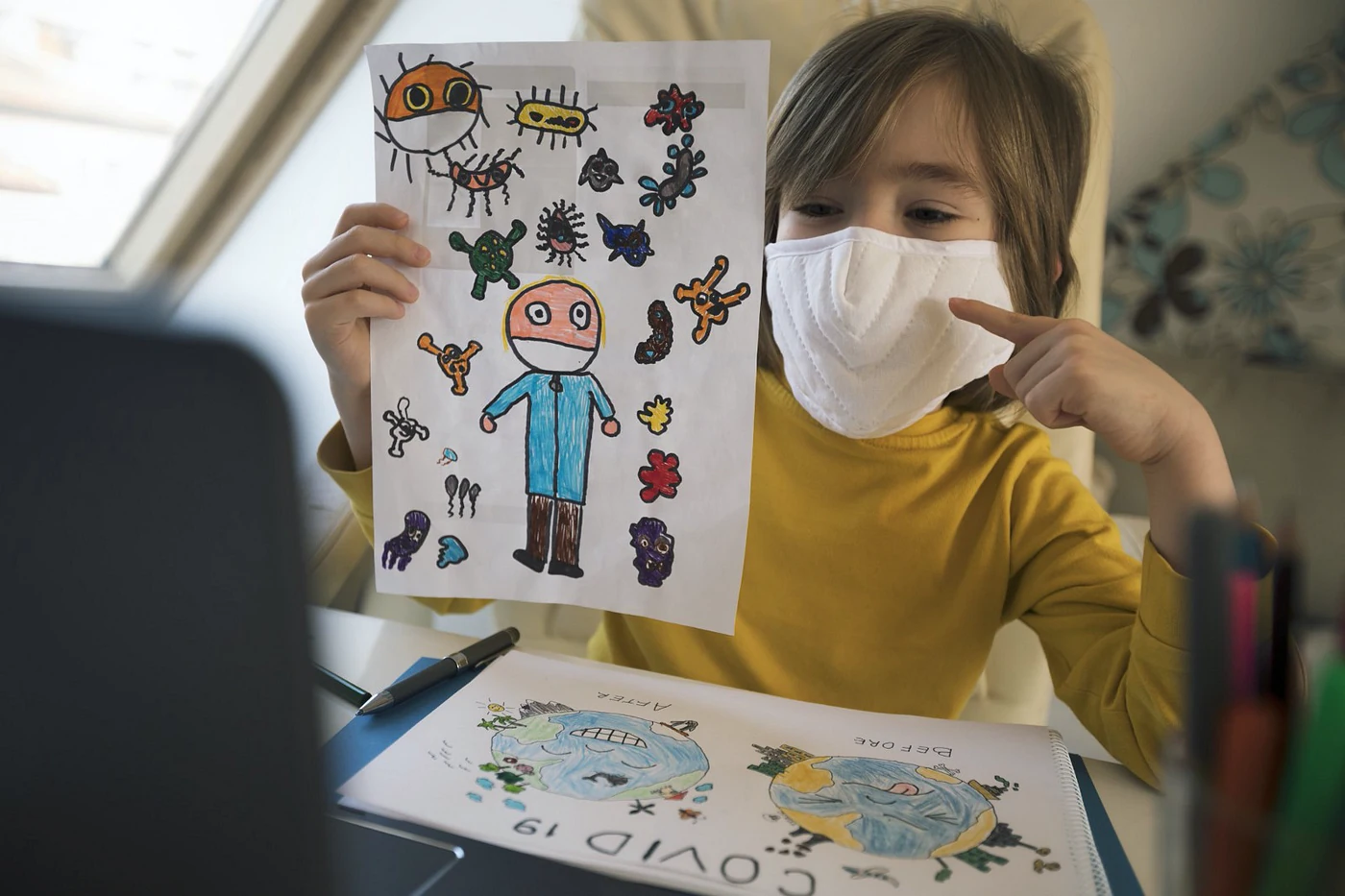
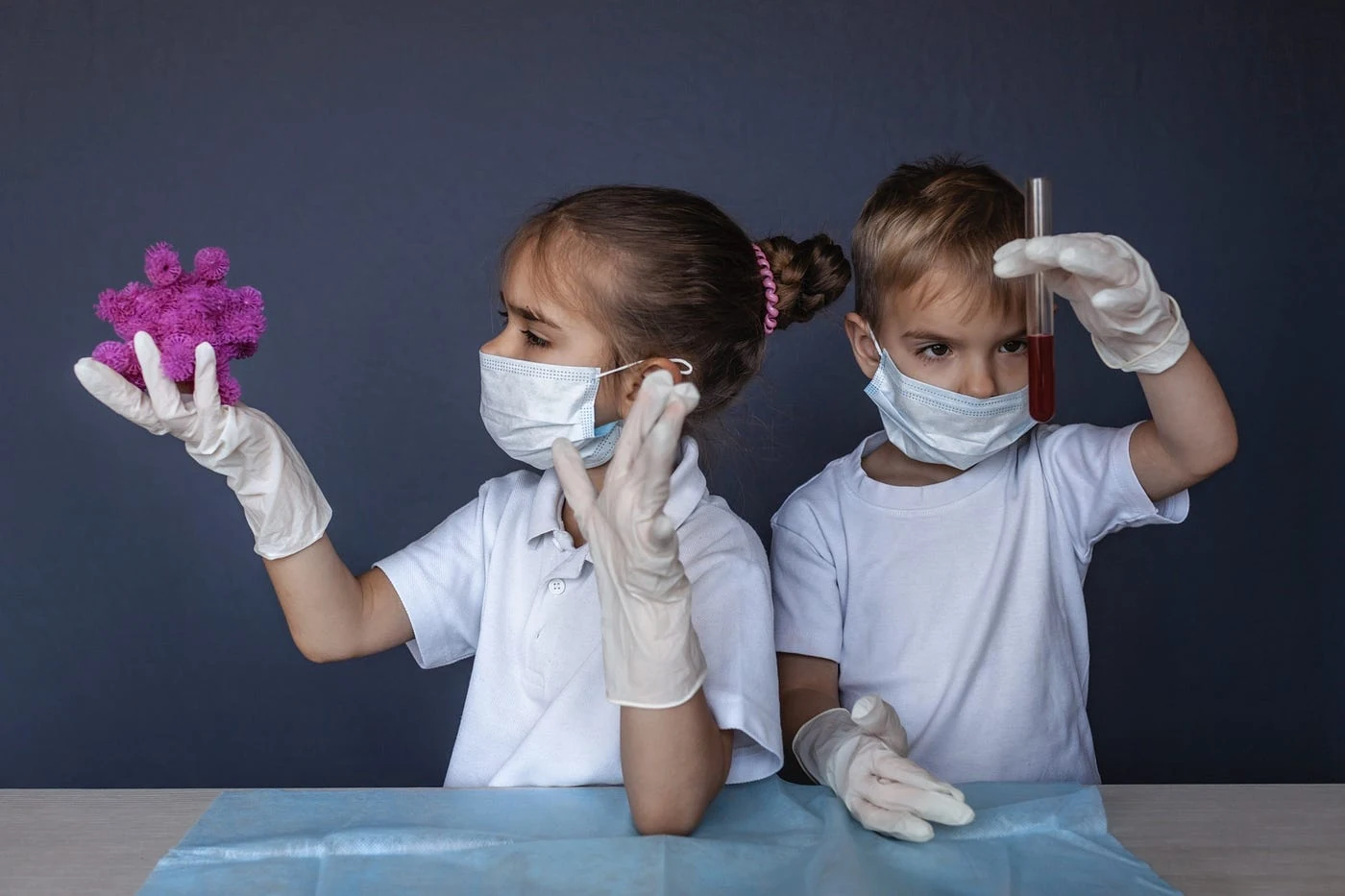
This free, downloadable content encourages students to better understand pathogens and learn why hygiene is a foundational concept of health and wellness. They’ll explore the spread of disease, nutrition and STEM career opportunities. There’s also a robust look at human and cellular anatomy, made even more engaging with amazing artwork by Shelly D. Smith, the talented Creative Director at Design Bee. As a capstone, students test their new knowledge in an emergency survival situation — truly relevant learning for this moment in history. Please enjoy as you stay safe at home in the coming days ahead and share this STEM resource with others.
Andrew B. Raupp is the Founder / Executive Director @stemdotorg. “Democratizing science, technology, engineering and math (STEM) education through sound policy & practice…Applying STEM to better understand it”
Keywords
First published March 26, 2020. Original publication