The Global War on for Your Face
The Creeping Biometric Panopticon: How Detroit Became Ground Zero for the Global Digital Identity Agenda
In this essay

Foreword
There are cities that dream, and there are cities that build. Detroit was once both. Its skyline rose not from privilege, but from perseverance—from the steady hands of men and women who believed that freedom could be forged in steel and sweat. It was here, in the crucible of the Motor City, that the spirit of America found its pulse.
This analysis serves as both a continuation and an awakening—an update to the truths I first laid bare in “The Last of Liberty: Confronting the Global ID Agenda,” “REAL ID: A Real Nightmare,” and “The UN’s Pact for the Future: A Step Backwards for STEM Education.” Those essays warned of a digital empire rising beneath the guise of innovation, where data replaces citizenship and compliance masquerades as progress. Now, that warning has come home.
I was born and raised in Southwest Detroit, among families who measured wealth not in money, but in integrity and pride of work. We were taught that liberty wasn’t inherited—it was maintained. Yet today, the city that once embodied that spirit stands haunted by a quiet betrayal. The same streets that roared with industry now echo with the language of global control

The World Economic Forum has laid plans to establish a regional hub here, while a handful of billionaires discreetly buy up Detroit’s bones. Local politicians, instead of serving the people, travel to Davos to pay homage to international banking cartels. They call it progress. I call it surrender.
To witness the Arsenal of Democracy yield to globalism, Zionism, and fascism is to feel the air grow thin in liberty’s lungs. The city that once powered the free world now powers an experiment in technocratic control—a model for a future where sovereignty is a memory and identity is a barcode.
It would be easy to despair. But despair is a luxury for the faithless—and Detroit has never lacked for faith. Beneath the rubble, I still hear the hum of defiance, the same defiance that built the tanks, the cars, and the dream that once made this city the beating heart of America.
This story is personal because it is both a warning and a call. If the city that armed the free world can be subdued by digital empire and corporate deceit, then no republic is safe. The fight before us is not about nostalgia—it is about survival.
We must remember who we are: a nation born from rebellion, not compliance. The flames that once lit our factories can light our courage again. For freedom is not an inheritance—it is an obligation.
And if any city still knows how to fight for it, it is Detroit. -ABR
Citizens Rule Book: A Palladium of Liberty (Download) #InfoWars 🇺🇸
Detroit once stood as the heartbeat that empowered liberty itself. During the Second World War, its factories became the Arsenal of Democracy—the industrial engine that transformed American steel into the machinery of liberation. Today, a new kind of power is being assembled in the same city, but its purpose could not be more different.
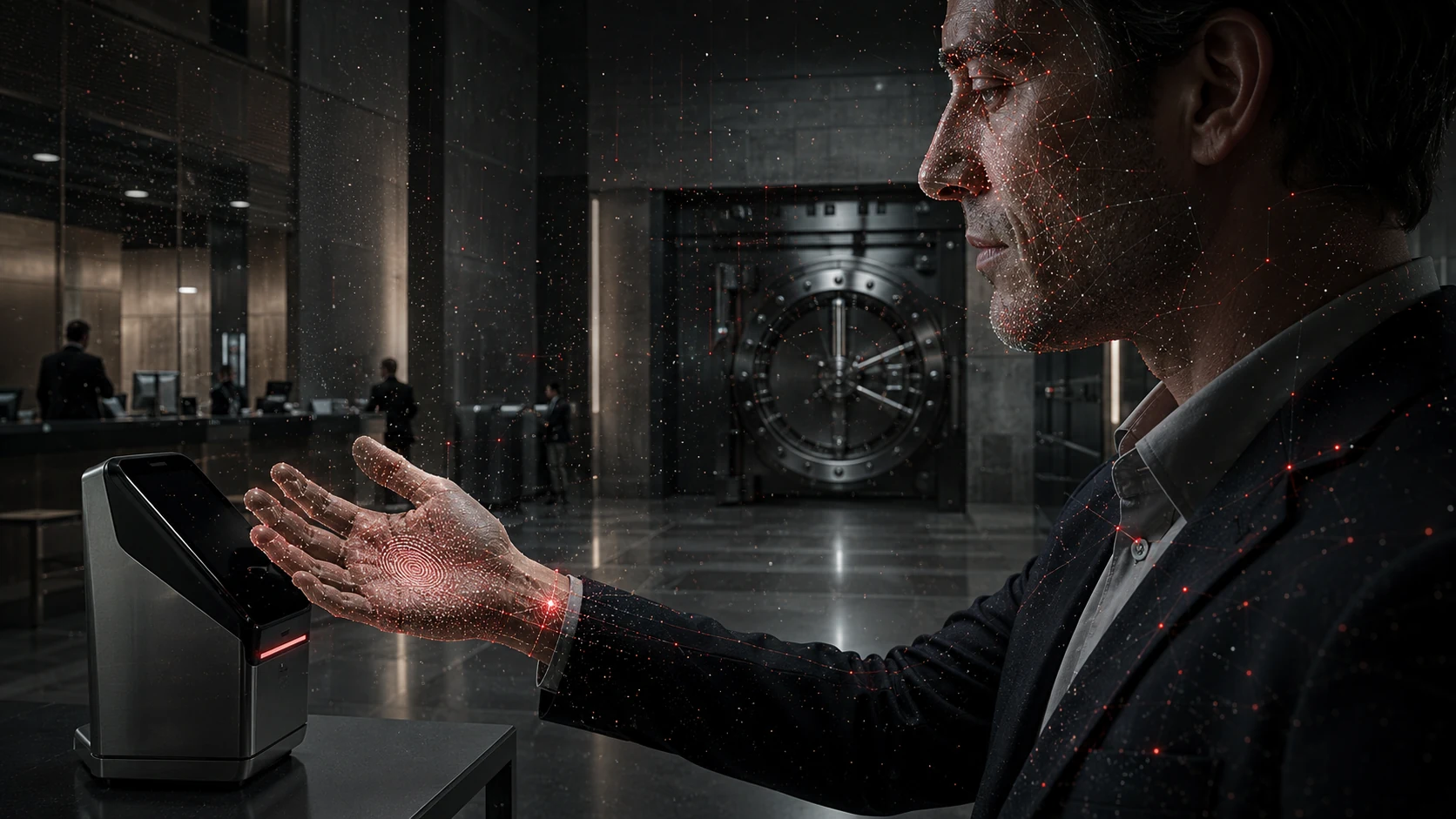
The quiet alliance between Visa and TECH5, a Geneva- and U.S.-based biometrics firm co-founded by Rahul Parthe, has laid the groundwork for a system that would fuse digital identity with finance. Their seven-year partnership, publicly framed as an effort to improve “financial inclusion,” aims to integrate facial, fingerprint, and iris recognition into a single Digital Public Infrastructure (DPI) wallet.
What’s being marketed as convenience is, in reality, a blueprint for comprehensive surveillance. When identity becomes currency and access is mediated through biometrics, the line between freedom and permission begins to dissolve.
Identity as Currency
Visa’s executives argue that “identity is foundational to inclusion,” echoing the World Economic Forum and its long-standing advocacy of digital ID ecosystems. But inclusion, as defined by global financiers, often comes at the cost of autonomy. It is inclusion through dependency—an invitation to enter a system that can just as easily exclude you.
Once your face or iris is tied to every financial transaction, you no longer control your access to the marketplace; the system does. A single policy change or technical failure could suspend your ability to buy, sell, or travel.

TECH5’s marketing materials describe its technology as “privacy-preserving” and “interoperable,” but such assurances ring hollow in an age when data breaches and overreach are routine. Unlike a password, a face cannot be revoked, and an iris cannot be replaced. Once compromised—or weaponized—the loss is permanent.
Control the system that verifies identity, and you control access to society itself. That is the true nature of the biometric revolution.
Rahul Parthe’s Detroit Connection
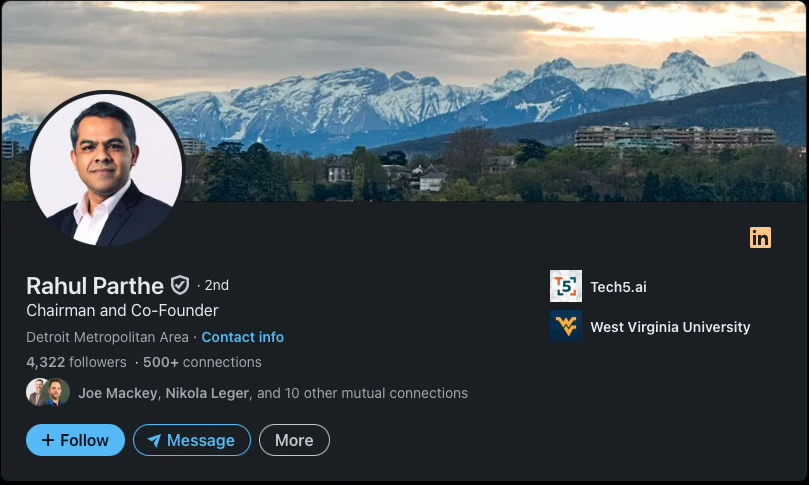
At the center of this digital transformation is Rahul Parthe, TECH5’s co-founder, chairman, and chief technology officer. His influence in shaping global biometric standards is undeniable—he helped architect some of the largest identity systems on Earth, including national ID frameworks in Asia and the Middle East.
But Parthe’s current base of operations is what raises eyebrows. Public corporate filings, interviews, and professional profiles list him as residing in the Detroit Metropolitan Area—the very city that once defined American self-reliance and industrial might.
Detroit is no ordinary location for a global tech enterprise. It is symbolic territory—the Arsenal of Democracy repurposed for the digital age. The irony is striking: the city that once built the tanks and planes that defeated totalitarianism is now home to the architects of a system that could one day enable it.
This isn’t a random logistical choice; it’s emblematic. Detroit’s industrial collapse left behind vast infrastructure, cheap real estate, and a workforce eager for revival—fertile ground for a quiet technological foothold. TECH5’s presence here is both practical and metaphorical: an occupation of America’s industrial soul by the machinery of global governance.
It absolutely matters that Rahul Parthe chose Detroit as his base of operations. The decision transforms a city once synonymous with freedom’s production line into a launchpad for digital oversight. It is a symbolic desecration of the very ideals that city helped preserve.
Desecrating the Arsenal of Democracy
The soil that once thundered with the rhythm of steel and labor now hums with servers and surveillance. By embedding global biometric infrastructure in the heartland of American industry, the architects of this system have inverted Detroit’s legacy.
They understand symbolism. This is not simply about building a better ID system; it is about redefining what liberty means in the digital age. The Arsenal of Democracy is being rewritten into the arsenal of data—the tools of freedom repurposed as the architecture of control.

Factories that once produced engines of liberation are being overshadowed by firms producing algorithms of restriction. The same logic that powered tanks and assembly lines now fuels “trust frameworks” and digital compliance systems. What was once an engine of autonomy is being reengineered into an apparatus of observation.
The Global March Toward Biometric Governance
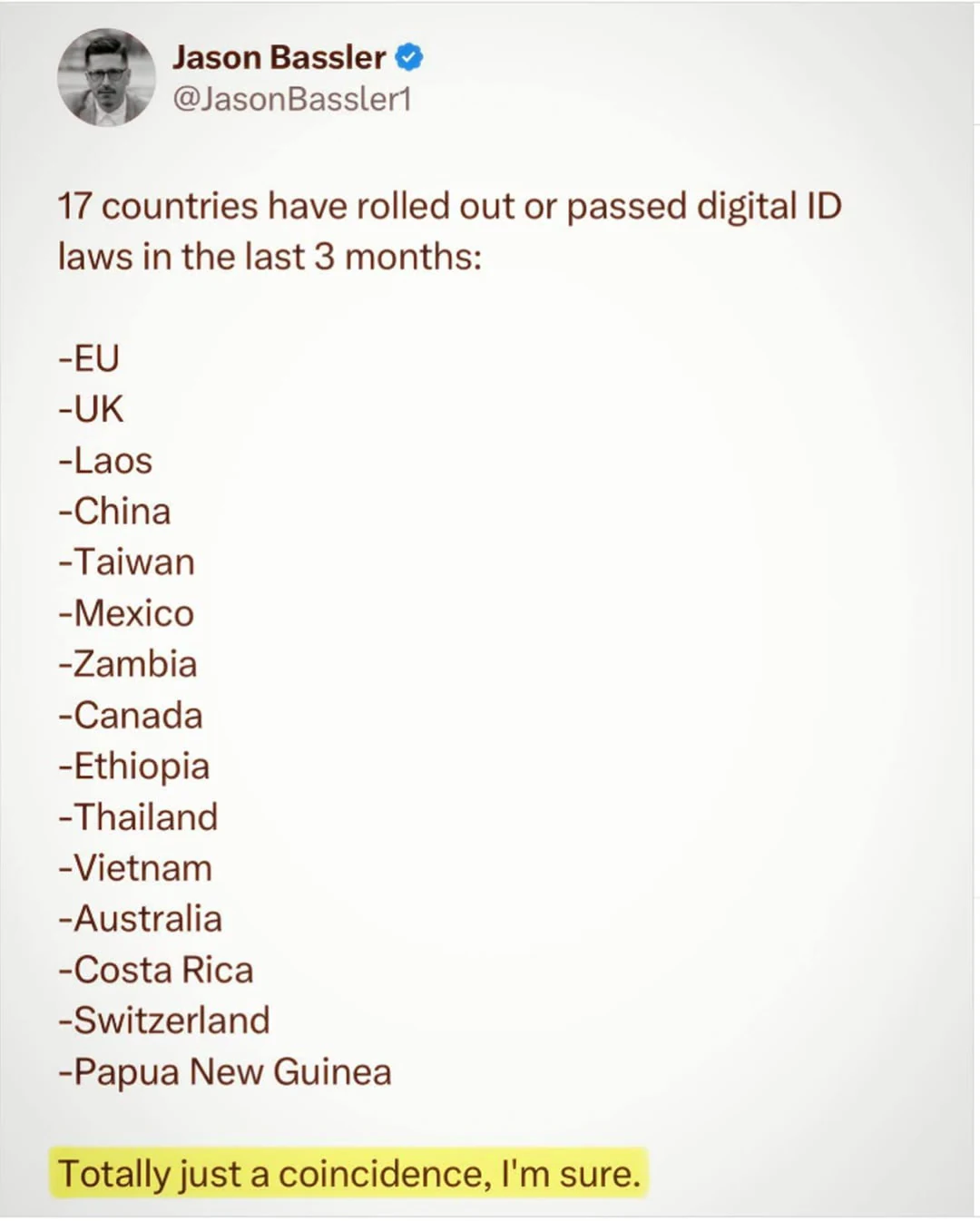
The Detroit story is not isolated. Around the world, the same pattern is unfolding under the banner of “inclusion” and “efficiency.” The World Bank’s ID4D initiative, the G20’s DPI agenda, and Gates-funded digital ID programs all advance the same premise: every citizen must have a verifiable digital identity tied to biometric credentials.
In India’s Aadhaar system, over one billion people have been enrolled using fingerprints and iris scans. The results are telling: reports of wrongful exclusions, data leaks, and function creep are widespread. What began as a tool of access quickly became an instrument of surveillance.
Anna’s Substack
Digital Identity: Rights or Privileges?
Image: “Gatekeepers” (2017) by Michael Hayter, U.K. Used for commentary…
Detroit’s new role, under TECH5’s leadership, may be to perfect and export this model from American soil—transforming the cradle of industrial freedom into the crucible of global compliance.
Reforging the Arsenal
Yet Detroit’s story has never been one of surrender. The same city that rose from bankruptcy and decay can rise again in defiance of digital subjugation. Its people know better than most what it means to rebuild from ruin—and what happens when power concentrates in the hands of the few.
If the Arsenal of Democracy once defeated fascism abroad, perhaps it can resist its algorithmic reincarnation at home. That resistance begins with awareness: citizens demanding transparency about data ownership, algorithmic auditing, and the right to opt out. Legislators must enshrine absolute protections—no compulsory biometrics, no centralized identity databases, no privatized control of personhood.
Technologists and ethicists must work together to build systems rooted not in convenience, but in consent.
Detroit’s destiny is America’s destiny. Its story has always foreshadowed the nation’s own—industrial rise, cultural triumph, decline, and the struggle to be reborn. Today that struggle is no longer economic; it is existential. The question before us is whether Detroit will once again forge the tools of freedom—or become the prototype for a civilization that trades its soul for seamlessness.
Freedom is not a relic to admire in museums of progress, nor a slogan to recite while our rights are rewritten in code. It is a living discipline—a habit of courage that must be exercised daily, or it atrophies into memory.
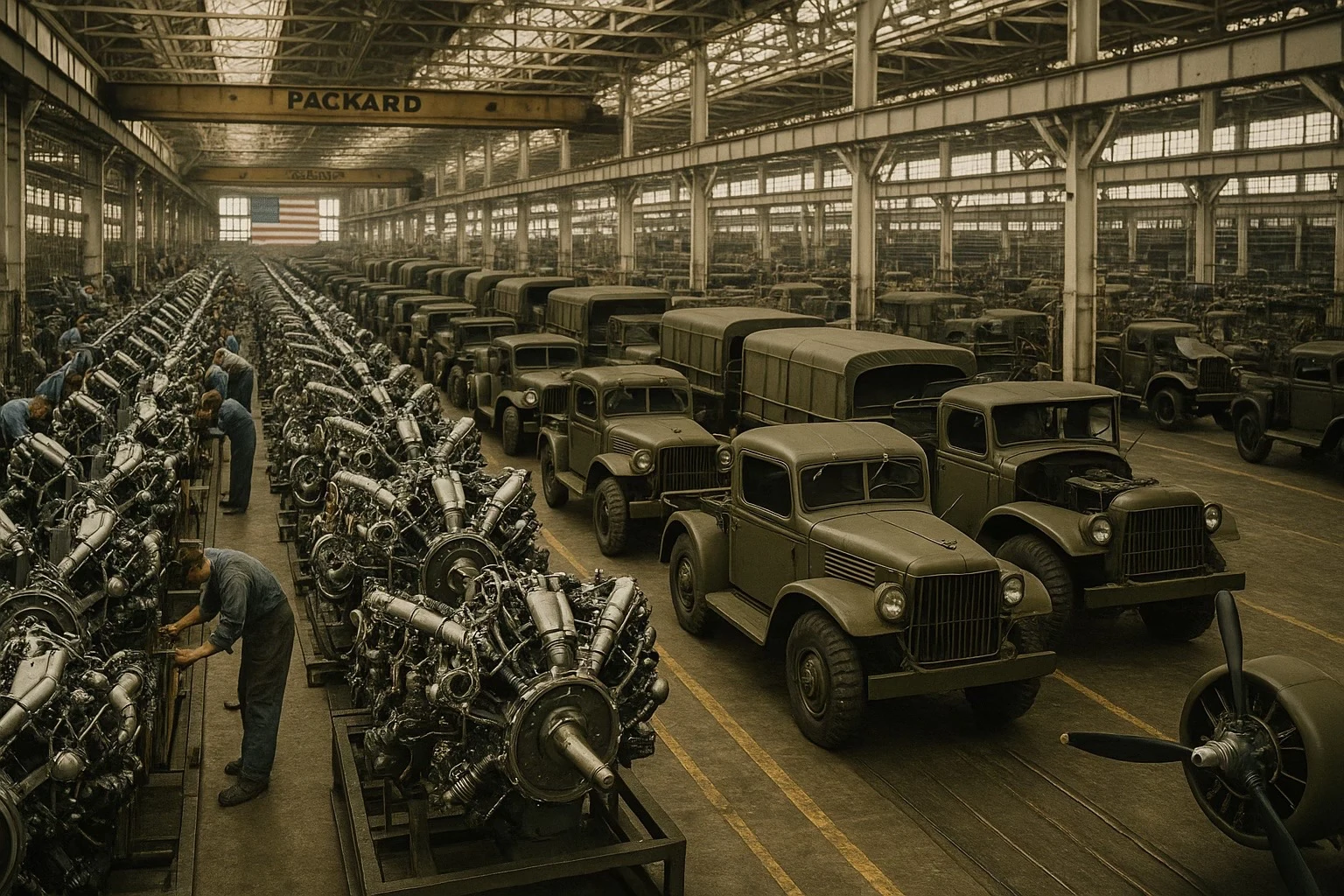
If any city can remind the world of that truth, it is Detroit. It was here that liberty once took physical form in steel, engines, and grit—and it is here that liberty must now be reforged in conscience, defiance, and resolve. The same spirit that built the Arsenal of Democracy must rise again—not to manufacture weapons of war, but to defend the sovereignty of the human face, the human will, and the human heart.
Citizens Rule Book: A Palladium of Liberty (Hardcopies) 🇺🇸
Support my work, here. Infowars is dead. Long live the Information War!
Keywords
First published October 7, 2025. Originally published in Liberty or Deathwire.