
Larry Page and Sergey Brin's Playground, Our Reality
Probing the Intentions of Google's Co-Founders
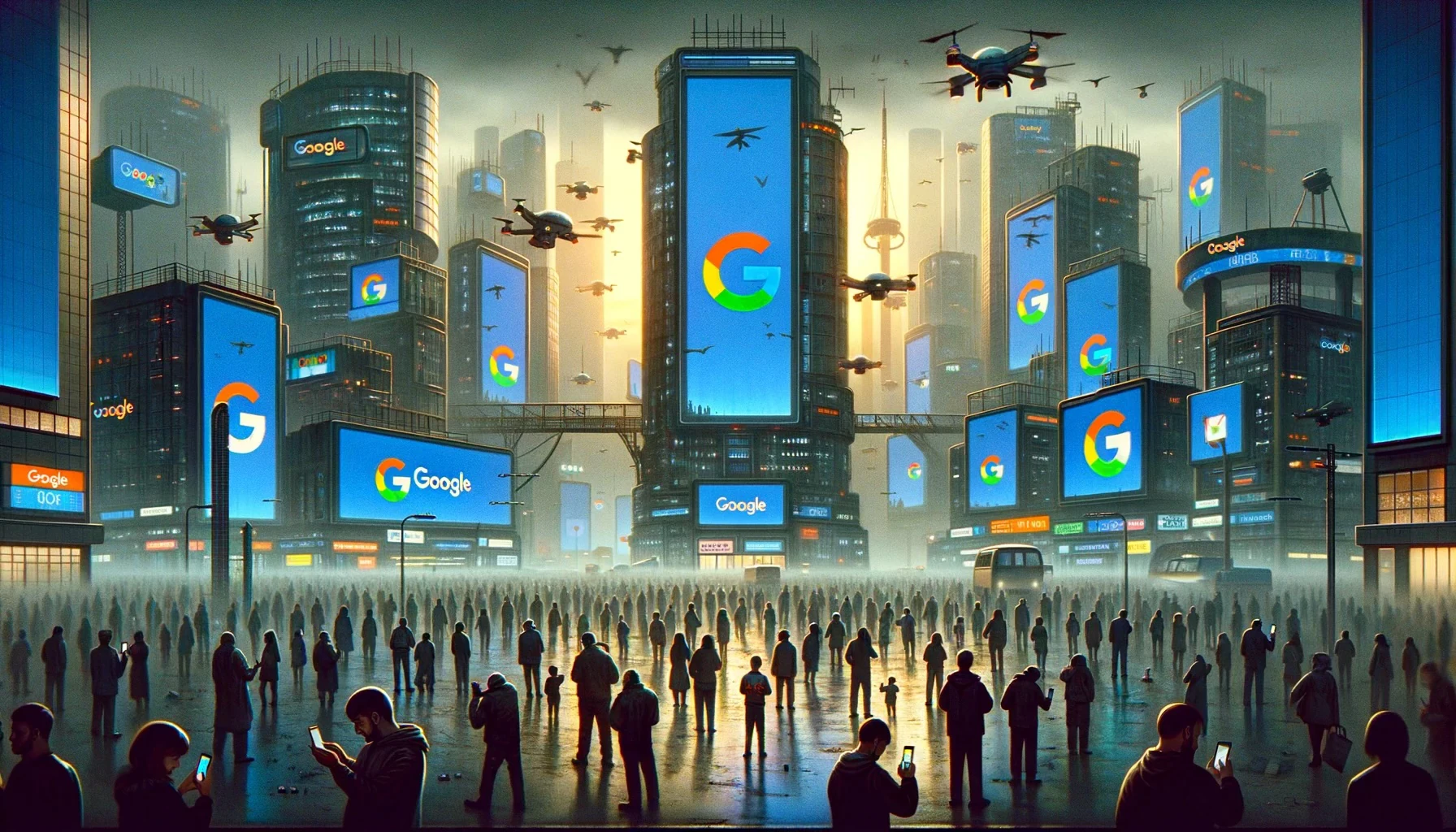
Author’s Note: The allure of convenience and the promise of safety often beckon us towards the next technological marvel. Yet, we must tread with caution. Benjamin Franklin once said: "Those who would give up essential Liberty, to purchase a little temporary Safety, deserve neither Liberty nor Safety." These words, while uttered in a different context, resonate profoundly today, especially when we grapple with innovations in technology and the looming specter of government surveillance.
As our lives become increasingly intertwined with the digital realm, we, as a society, must become more vigilant. It is all too easy to become ensnared by the comforts of modern tech, to acquiesce to its demands without question. However, every stride we take in this brave new world carries with it implications, not just for our individual privacy, but for the collective liberties that form the bedrock of our society.
Let Franklin's words serve as a reminder, a beacon, guiding our choices. It is not merely about resisting the overreach of surveillance, but about fostering a culture of vigilance, inquiry, and accountability. As we embrace the future, let us do so with our eyes wide open, ensuring that in our quest for safety, we do not inadvertently sacrifice the very freedoms we cherish.
Virtual Vanguard or Digital Dictators?
We must collectively tread with caution on this topic, for the allegations are gravely serious and the implications profound. Yet, it is the duty of every thoughtful citizen to interrogate the tremendous power that a few select individuals and entities possess, and to ponder the consequences of such concentrated influence.
As we traverse the vast digital landscape of our modern era, two names rise above the rest: Larry Page and Sergey Brin, the visionaries behind the global behemoth, Google. Their platform, initially a beacon of information accessibility, has woven itself so intimately into the fabric of daily life that it is nearly impossible to imagine existence without it. And while this omnipresence speaks volumes of the technological prowess they've fostered, it also raises inevitable concerns.
By virtue of Google's sheer magnitude and influence, every decision made by its founders echoes globally. It molds perceptions, shapes dialogues, and, most concerningly, has the potential to sway entire nations. The ancient proverb warns, "With great power comes great responsibility." But what if that power is misused or wielded with malevolent intent?
It is here that we must pause and deliberate. To brand someone an "international terrorist" is not to be done lightly. Such a title implies not only acts of violence but a fundamental desire to disrupt, divide, and destroy on a grand scale. Do Page and Brin fit this bill?
Hacking Democracy
In a twist that lends credence to this narrative, Sergey Brin was interviewed by Klaus Schwab of the World Economic Forum on burgeoning realm of "predictive technologies." Such innovations, they purported, possess the unprecedented ability to forecast the outcomes of democratic processes, potentially rendering traditional elections redundant. The very insinuation of this is deeply unsettling.
For if elections, the cornerstone of democratic societies, can be predicted with uncanny accuracy by an algorithm, does it not strip the populace of its agency? The act of casting one's vote, a sacred rite in democratic systems, is an affirmation of individual will, a testament to the belief that every voice, however faint, has a stake in shaping the collective future. But when predictive technologies claim the power to foresee election outcomes, they threaten to overshadow this individual agency, reducing the cherished act of voting to a mere formality.
The discussions between Brin and Schwab raise fundamental questions about the role of tech giants in our democracies. Is the promise of efficiency, the allure of data-driven foresight, worth the potential erosion of the very democratic values that sustain our societies? Do we risk creating a future where algorithms, not aspirations, dictate our collective destiny?
Partnerships between figures like Brin and international bodies like the World Economic Forum underscores the converging interests of big tech and global governance. While collaboration in itself isn't necessarily malicious, the opacity surrounding these discussions and their far-reaching implications warrants public scrutiny. When the architects of our digital future convene behind closed doors, the public is right to demand transparency.
Democracy thrives in the light of day, in the open marketplace of ideas, where debate is robust and transparency paramount. The specter of predictive technologies, as discussed by Brin and Schwab, challenges this paradigm, urging us to reflect on the balance between technological advancement and democratic preservation.
Further Evidence
Critics also argue that Google's dominance and ability to curate information create an echo chamber, stifling dissent and breeding homogeneity in thought. The engine's algorithms can amplify certain voices while silencing others, constructing a world view tailored to its architects' designs. When disagreements arise, as they inevitably do in any democratic society, are we not entitled to a plurality of perspectives? Or will we be unwittingly herded by the invisible hand of Google?
Furthermore, Google's vast repositories of personal data on individuals worldwide pose an undeniable risk. In the wrong hands, such information can be weaponized, leading to breaches of privacy, blackmail, or worse. While Page and Brin might not actively engage in such tactics, the very creation of this potential arsenal is a gamble with humanity's collective privacy.
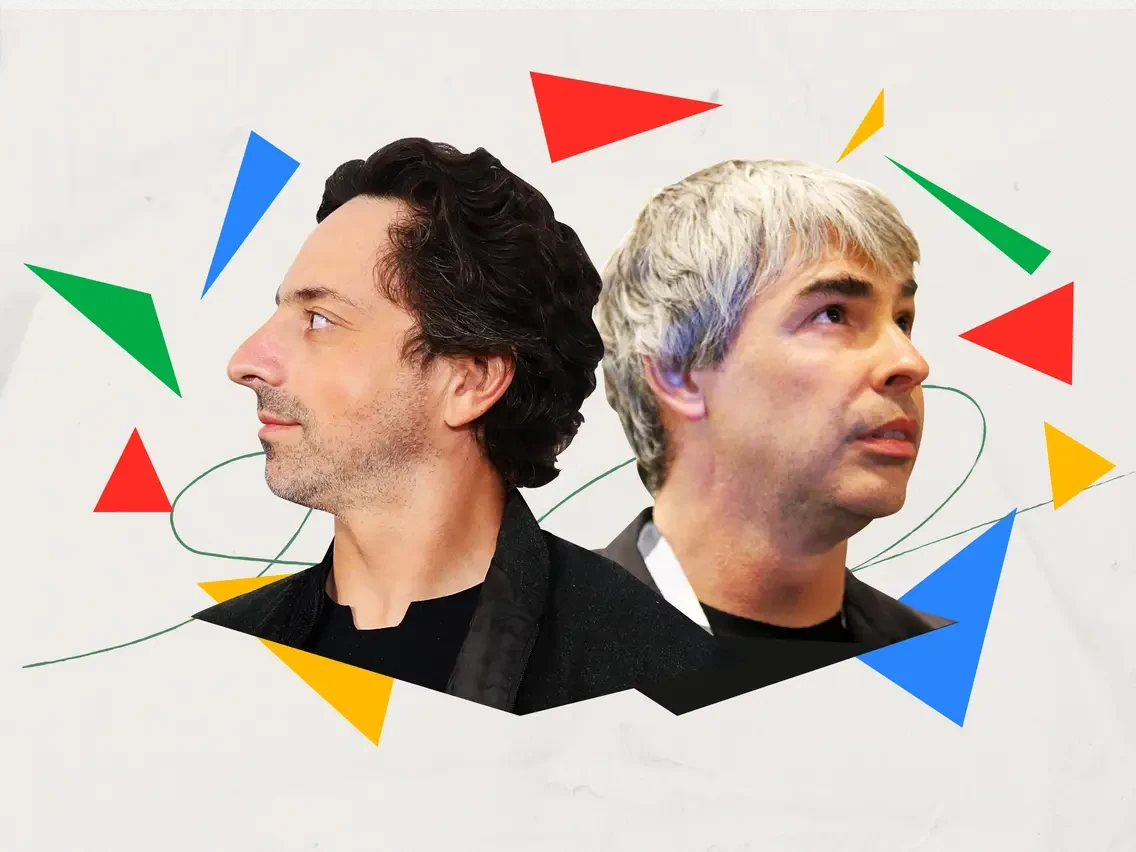
In examining the colossal influence of Larry Page and Sergey Brin, it is unavoidable to confront a chilling proposition: Are these figures, by virtue of their immense digital dominance, akin to "international terrorists"? This title, heavy with connotations, suggests a deliberate intent to disrupt, divide, and wield power in ways that could destabilize our global fabric. Their creation, Google, isn't merely an empire; it's a force that holds sway over minds, markets, and, some would argue, the very essence of modern democracy.
Given the stakes, it is not merely appropriate but imperative that we scrutinize this subject without flinching. Page and Brin, with their unparalleled digital reach, ought to be held under the harshest of spotlights. While they've crafted a digital behemoth, it is the shadow this giant casts that breeds apprehension. Society must be relentless in its examination, for unchecked power is the breeding ground of tyranny.
In this era, where information is currency, the struggle lies in discerning manipulation from mere influence. The imperative is clear: we must be rigorous in our examinations, ensuring our convictions are born from discerned truths and not shadows on the wall. As we navigate this terrain, may our guiding stars be those of diligence, transparency, and an unwavering commitment to the principles upon which our societies stand.
Keywords
First published September 8, 2023. Originally published in Liberty or Deathwire.